.png)
7-Day Aegean Coast Road Trip: A Step-by-Step Campervan Guide from Izmir to Antalya
There is a specific quality to the light on the Turkish Aegean coast—a distinct, hazy gold that seems to hang over the olive groves and glint sharply off the turquoise water. For the traveler committed to slow movement, this coastline is not merely a transition between two airports; it is a living, breathing tapestry of ancient history, vibrant village life, and some of the most dramatic coastal driving roads in the Mediterranean.
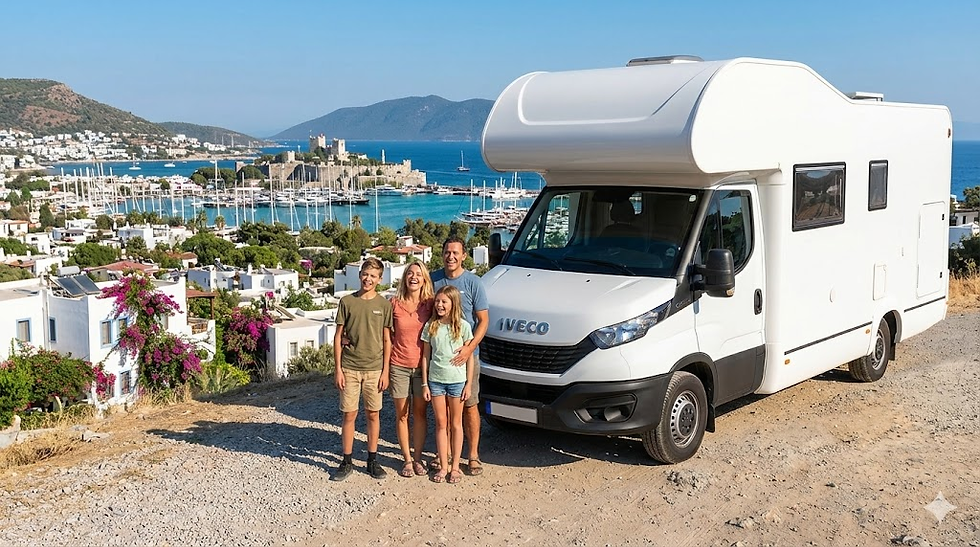
While many rush this journey by bus or domestic flight, the definitive way to experience the rhythm of the Turquoise Coast is behind the wheel of a home-on-wheels. An Izmir to Antalya road trip by campervan offers a freedom that hotels simply cannot match: the ability to linger over a breakfast of village cheese and olives by the sea, to pause for a swim at a nameless cove, and to sleep with the sound of pine trees rustling above your roof.
This guide is for the independent traveler. Whether you are a seasoned van lifer or planning your first motorhome holiday, this seven-day itinerary breaks down the journey, the logistics, and the unmissable stops along the way.
Why the Aegean Coast Is Perfect for a Campervan Road Trip
The stretch of coastline connecting Izmir to Antalya is often cited as one of the world’s great road trips. For the campervan traveler, it is particularly accommodating. Unlike the dense urban sprawl of Istanbul, the Aegean and Mediterranean coasts offer wide roads, accessible nature, and a culture that is deeply hospitable to road trippers.
The landscape here shifts dramatically. You will drive from the windy, stone-village charm of the Alacati peninsula, through the olive-rich hills of Mugla, down to the dramatic cliffside roads of Kas, and finally to the palm-lined boulevards of Antalya.
Choosing a campervan road trip here allows you to bypass the mass-tourism hubs and engage with the landscape on your own terms. It is about waking up to the sunrise over the Greek islands visible across the water and watching the sunset paint the Taurus Mountains in shades of violet.

Day-by-Day Breakdown (7 Days)
This 7 day Turkey road trip itinerary is designed to be a loop of experiences, balancing driving time with exploration.
Day 1: Izmir to Cesme / Alacati
The Drive: After picking up your vehicle in Izmir, head west on the O-32 highway. It is a smooth, easy introduction to driving in Turkey, taking about an hour to reach the peninsula. As you approach Cesme, the air becomes saltier and cooler.
The Experience: Alacati is famous for its preserved Greek stone houses, bougainvillea-draped streets, and world-class windsurfing. Park the van on the outskirts (the town center is pedestrian-only) and wander the cobbled alleys. The vibe here is chic and relaxed. For the afternoon, drive to Delikli Koy, a bay famous for its white limestone cliffs and crystal-clear water.
Overnight: This area is popular, so finding solitude can be tricky in high season. There are several established campgrounds on the southern side of the peninsula near the windsurfing beaches.
Day 2: Alacati to Kusadasi / Dilek Peninsula
The Drive: Head south, skirting the coast. The road opens up as you pass Seferihisar. Your destination is the Dilek Peninsula, just south of Kusadasi.
The Experience: Kusadasi is a major cruise port, but the real gem for campervan Turkey enthusiasts is the Dilek Peninsula Buyuk Menderes Delta National Park. This is pristine nature. Pine forests roll directly down to pebble beaches. Wild boars are known to wander onto the beaches here (keep your food stored safely!). It is a perfect spot for a picnic and a long swim in water that feels incredibly clean.
Overnight: Wild camping is strictly prohibited inside the National Park, but there are excellent campsites just outside the park gates in the Guzelcamli area.
Day 3: Kusadasi to Bodrum Peninsula
The Drive: This is a day of history and scenery. As you drive south toward Milas, you will pass Lake Bafa. This ancient inlet, now a lake, is surrounded by the Latmos Mountains and littered with massive boulders and ruins of Heraclea. It feels prehistoric and mystical.
The Experience: Bodrum is often called the St. Tropez of Turkey, but a campervan allows you to escape the glitz. While the city center has the magnificent Castle of St. Peter, the peninsula is full of quiet coves. Head toward Gumusluk for a bohemian vibe and famous sunset dining, or Yaliciftlik for pine-shaded seclusion.
Overnight: Bodrum has a variety of camping facilities. Look for spots away from the main Gumbet party strip to enjoy the sound of the Aegean waves.

Day 4: Bodrum to Datca
The Drive: You have a choice here: drive the long way around the Gulf of Gokova (scenic, winding, through eucalyptus tunnels) or take the vehicle ferry from Bodrum to Datca (saves time, offers a sea view). If you love driving, take the road. The view from the Sakar Pass looking down onto the Gokova plain is breathtaking.
The Experience: Datca is where the Aegean meets the Mediterranean. The air is famous for being oxygen-rich and healing. Drive all the way to the tip of the peninsula to visit the ancient city of Knidos. Watching the sunset at the ancient lighthouse, with the wind whipping around you and the ruins of Aphrodite’s temple behind you, is a spiritual experience.
Overnight: Datca is a haven for van life Turkey. The peninsula is dotted with olive groves and almond orchards that host campers. The vibe here is much quieter and more nature-focused than Bodrum.
Day 5: Datca to Fethiye
The Drive: Retrace your steps from the peninsula and head toward Marmaris, then turn toward Fethiye. The road is wide and well-maintained, passing through sweetgum forests and orange groves.
The Experience: Stop in Gocek for a coffee by the marina to see the superyachts, but move on to Fethiye for the real charm. Visit the Amyntas Rock Tombs carved into the cliff face overlooking the city. If you have time, drive to Kayakoy, the "Ghost Village," an abandoned Greek settlement that is hauntingly beautiful at dusk.
Overnight: Fethiye is a major hub for motorhome travel Turkey. You will find fully equipped campsites near Calis Beach or deeper into the nature near Yaniklar.
Day 6: Fethiye to Kas
The Drive: This is the highlight of the Turkey campervan experience. The D400 highway hugs the coastline, offering vertigo-inducing views of the electric-blue sea. You will pass Kaputas Beach—a small canyon opening to the sea. Parking a large motorhome here is difficult in summer, so aim for an early morning stop.
The Experience: Kas is the jewel of the coast. It has retained a laid-back, bohemian atmosphere despite its popularity. The town square is vibrant, and the bougainvillea is everywhere. It is a place to slow down, drink tea, and watch the boats returning from the sunken city of Kekova.
Overnight: There are several camping options on the Kaş-Antalya road and on the peninsula (Cukurbag). Waking up to a view of the Greek island of Kastellorizo (Meis) is unforgettable.
Day 7: Kas to Antalya
The Drive: The final stretch takes you through history. The road winds past Demre (Myra), home to Lycian rock tombs and the Church of St. Nicholas, and past the turnoff for Olympos and Cirali.
The Experience: If you have time, stop at Cirali to see the Chimaera (Yanartas)—eternal flames that burn naturally from the rock. As you approach Antalya, the traffic will increase. Antalya is a major city, but the old town (Kaleici) is magical. Enter through Hadrian’s Gate and explore the Roman harbor.
Overnight: Parking a campervan in central Antalya is challenging. It is best to find a campsite on the outskirts, perhaps near the Konyaalti beaches or further east toward Lara, and use public transport or a taxi to explore the city center.
Camping and Overnight Stops Along the Route
One of the most common questions travelers ask is about the availability of facilities. The Aegean and Mediterranean coasts are the heartland of Turkish camping culture. You will find a mix of high-end camping resorts with pools and electricity, and rustic, family-run olive groves that allow parking for a small fee.
Finding the best campsite between Izmir and Antalya often depends on your specific needs—whether you prioritize proximity to the beach or the availability of laundry facilities. For a comprehensive look at the specific amenities available at different locations, you can refer to resources like our partner’s guide to camping places in Turkey, which categorizes spots by region and facility type.
When choosing a stop, consider the vehicle size. Some campsites in historic areas like Datca or Faralya have narrow access roads better suited for smaller campervans than large motorhomes.
Wild Camping Between Izmir and Antalya: What Travelers Should Know
For many, the allure of a campervan route Turkey trip is the possibility of wild camping Turkey. The concept of "free camping" is romantic, but it requires responsibility.
Generally, wild camping is tolerated in Turkey outside of National Parks, archaeological sites, and private land. However, the popularity of the Izmir-Antalya route means that enforcement has become stricter in recent years to protect the environment.
National Parks: Strictly forbidden. Do not attempt to wild camp in Dilek Peninsula or near Patara ruins.
Beaches: Some beaches tolerate it in the off-season, but during summer, gendarmerie (local police) may ask you to move.
Etiquette: The golden rule is "Leave No Trace." Do not empty chemical toilets in nature. Do not light fires in forested areas (wildfire risk is extremely high in summer). Buy goods from local village markets to support the economy of the places you stay for free.
If you are looking for wild camping spots between Izmir and Antalya, look for apps used by the overlanding community, but always have a backup plan at an official campsite.
Why This Route Is Best Experienced by Campervan or Motorhome
Why choose campervan hire Turkey over a rental car and hotels?
Sunrise and Sunset: The best light on the Aegean happens when most hotel guests are indoors. In a campervan, you are already at the view.
Flexibility: If you fall in love with the vibe of Kas, you can stay another day. If Bodrum is too crowded, you can move on to Datca. You are not beholden to check-out times.
Cost-Effectiveness: While fuel is not cheap, combining your transport and accommodation costs—and having the ability to cook your own meals using fresh local ingredients—often makes a campervan road trip more economical than luxury hotels and dining out every night.
Immersive Travel: You are not observing the landscape from behind glass; you are living in it. You are buying bread from the village baker and asking locals for water. It connects you to the country in a deeper way.
Choosing the Right Campervan or Motorhome for This Route
Selecting the right vehicle is critical for the Izmir to Antalya road trip by campervan. The roads are generally good, but coastal towns have narrow, winding streets.
The Compact Campervan: Ideal for couples and those who want to easily navigate the narrow streets of Alacati or park in the center of Kas. They are easier to drive and more fuel-efficient.
The Motorhome: Better for families or groups needing more space and an onboard shower/toilet. However, you will need to be more cautious on the winding coastal roads between Fethiye and Kas (the Kaputas stretch).
Travelers usually secure their vehicle in Izmir and drop it off in Antalya (or vice versa). For insights on what paperwork is required or how the rental process works, the FAQ section of a specialized partner site can be very helpful.
When looking for Izmir campervan rental or Antalya campervan rental, prioritize companies that offer well-maintained vehicles with functioning AC (essential for summer) and reliable support. Regional specialists often provide better insight into road conditions than generic global aggregators.
Final Thoughts – Is the Izmir to Antalya Campervan Route Worth It?
The road from Izmir to Antalya is more than just a drive; it is an education in the Mediterranean way of life. It is a journey that demands you slow down. It invites you to stop for tea, to swim in cool water, and to watch the history of civilizations pass by your window.
Whether you are seeking the solitude of a pine forest or the vibrant culture of a seaside town, a Turkey road trip in a campervan offers the perfect vessel for discovery. It is safe, incredibly scenic, and full of the hospitality for which Turkey is famous.
For those ready to plan their journey, finding the right vehicle is the first step. Regional experts like our partners at Campervan Rental Turkey offer a wealth of knowledge and a fleet of vehicles designed specifically for these roads, helping you turn this dream itinerary into a reality.

Frequently Asked Questions
Is Izmir to Antalya suitable for campervan beginners?
Yes. The main highways (D400 and D550) are well-paved and wide. While some coastal stretches are winding, they are manageable if you drive cautiously. Turkish drivers are generally accommodating to larger vehicles.
Can you combine campsites and wild camping on this route?
Yes, this is the best way to travel. Use campsites every few days to empty your waste tanks, refill water, and do laundry, then enjoy nature spots in between.
What type of vehicle works best for coastal Turkey?
A panel van conversion (Class B) is often the "sweet spot." It is small enough to handle village traffic and parking but large enough to stand up in and have a kitchen.
How flexible is a 7-day campervan itinerary?
Seven days is the minimum for this route. If you have 10 or 14 days, you can explore deeper into the peninsulas (like Datca) without feeling rushed.
Do travelers need advance planning for overnight stops?
In July and August, popular campsites in Bodrum and Kas can fill up, so booking a day or two ahead is smart. In the shoulder seasons (May, June, September), you can usually just show up.
Do I need an international driver's license?
Most rental companies accept a standard driver's license from your home country if it uses the Latin alphabet, but it is always best to check specific rental terms before arrival.


